Finding a voice: a marathon, not a sprint.
Elizabeth Bull
My Story
What’s the hardest thing you’ve ever had to learn?
For me, it was driving— finally passing my test third time lucky! Perhaps, for you, it was learning French or playing the piano. Maybe it was learning to ride a bike, or teaching yourself how to cook. It’s unlikely to have been learning to speak. Just like walking, you mastered it without thinking. Unconsciously making noises, then sounds, then words, before even your earliest memory. For some children, including our daughter Florence, that wasn’t the case.
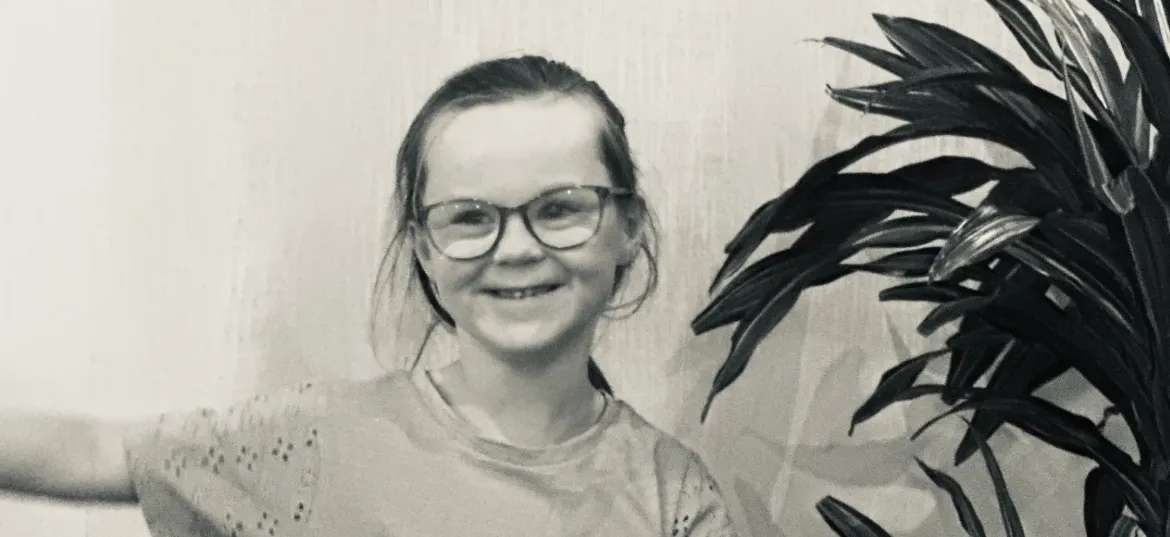
Until she was four years old, Florence didn’t speak at all. Not a word. Not a single delightful baby coo or a playful babble. Nothing. For Florence, life was different. She couldn’t tell us she was happy, hurt or hungry. She couldn’t ask for a drink, to go to the toilet, or to play with a toy. She spent her preschool years in silence, trapped as an observer of the world around her.
Childhood apraxia of speech (CAS)—I’d never hear of it, either—is a rare motor speech disorder effecting the planning and coordination of speech muscles. Children with CAS know what they want to say, but can’t. In 2023, Florence was diagnosed with both CAS and selective mutism— a complex anxiety disorder that renders you incapable of communication of any kind. This marked a turning point where Florence began to get the help she needed.
Since then, Florence has been learning to speak. One single sound at a time, slowly, ever so slowly, rewiring the pathways between brain and mouth. Everyday, teaching herself to make the complex movements that we all take for granted. Hours of therapy, hours of repetition, hours of concentration. A marathon, for sure.
Florence is six and a half now. She’s still working, still learning, but she now has words, sentences, questions, and even the occasional song! We have a cheeky and at times very loud little girl! A far cry from the silent child she once was.
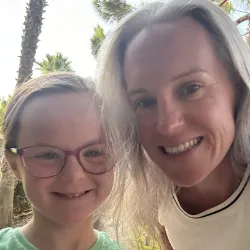
It takes a village to help someone with CAS find their voice— family, friends, teachers, therapists. And, in honour of Florence, and all those that have been running her marathon with her, I’m going to run my own— the London Marathon.
In the coming months, I’ll be training my legs to go a little further every day. Like Florence, pushing my body and mind to its limits. Just as Florence ticks off new sounds, I’ll attempt to tick off the miles. I’ll be fitting in training between Florence’s therapy, hospital appointments and daily interventions at school. Sometimes I’ll take Toby the dog. I might be lucky enough to run with a friend. But, mostly, I’ll be on my own, reflecting on just how brave children with speech disorders like CAS are. How scary it must be to face the world without a voice, and how important it is that they get the help they need. While my marathon will (hopefully) last just a few hours, theirs can last years.
So, if you can, please sponsor me. I’m raising money for Speech and Language UK, whose early interventions can make a real impact on the lives of those children struggling to find their voices…..still waiting to be heard.
-
Target
£3,000
-
Raised so far
£4,720
-
Number of donors
82
My Story
What’s the hardest thing you’ve ever had to learn?
For me, it was driving— finally passing my test third time lucky! Perhaps, for you, it was learning French or playing the piano. Maybe it was learning to ride a bike, or teaching yourself how to cook. It’s unlikely to have been learning to speak. Just like walking, you mastered it without thinking. Unconsciously making noises, then sounds, then words, before even your earliest memory. For some children, including our daughter Florence, that wasn’t the case.
Until she was four years old, Florence didn’t speak at all. Not a word. Not a single delightful baby coo or a playful babble. Nothing. For Florence, life was different. She couldn’t tell us she was happy, hurt or hungry. She couldn’t ask for a drink, to go to the toilet, or to play with a toy. She spent her preschool years in silence, trapped as an observer of the world around her.
Childhood apraxia of speech (CAS)—I’d never hear of it, either—is a rare motor speech disorder effecting the planning and coordination of speech muscles. Children with CAS know what they want to say, but can’t. In 2023, Florence was diagnosed with both CAS and selective mutism— a complex anxiety disorder that renders you incapable of communication of any kind. This marked a turning point where Florence began to get the help she needed.
Since then, Florence has been learning to speak. One single sound at a time, slowly, ever so slowly, rewiring the pathways between brain and mouth. Everyday, teaching herself to make the complex movements that we all take for granted. Hours of therapy, hours of repetition, hours of concentration. A marathon, for sure.
Florence is six and a half now. She’s still working, still learning, but she now has words, sentences, questions, and even the occasional song! We have a cheeky and at times very loud little girl! A far cry from the silent child she once was.
It takes a village to help someone with CAS find their voice— family, friends, teachers, therapists. And, in honour of Florence, and all those that have been running her marathon with her, I’m going to run my own— the London Marathon.
In the coming months, I’ll be training my legs to go a little further every day. Like Florence, pushing my body and mind to its limits. Just as Florence ticks off new sounds, I’ll attempt to tick off the miles. I’ll be fitting in training between Florence’s therapy, hospital appointments and daily interventions at school. Sometimes I’ll take Toby the dog. I might be lucky enough to run with a friend. But, mostly, I’ll be on my own, reflecting on just how brave children with speech disorders like CAS are. How scary it must be to face the world without a voice, and how important it is that they get the help they need. While my marathon will (hopefully) last just a few hours, theirs can last years.
So, if you can, please sponsor me. I’m raising money for Speech and Language UK, whose early interventions can make a real impact on the lives of those children struggling to find their voices…..still waiting to be heard.